
MUSEUM INVOLVEMENT EDUCATIONAL PROGRAM
The educational program of the Natural History Museum is characterized by providing scientific knowledge about Mongolia's wildlife, plants, and rare ancient artifacts based on museum exhibits in accordance with the content of the curriculum of secondary schools, secondary schools, and secondary schools, as well as educating children in the field of science, intangible cultural heritage, and cultural protection of Mongolian cultural heritage, and providing universal cultural education. The National Museum of Natural Sciences has 11 programs to provide knowledge about nature, culture, and intangible cultural heritage, and this time we introduce the following programs.
1. “ANIMAL TRAILS” Content: Recognizing the habitats and life characteristics of Mongolian wildlife and the traces left by animals in nature is a key to familiarizing students with intangible cultural heritage through tracing. Category: Senior and preparatory groups of the SSC Format: Classroom and non-classroom Materials: Handouts, 3D modeling clay
2. “LITTLE PALEONTOLOGISTS” Content: A program that provides an understanding of paleontological science, including paleontology, and provides interesting information based on the classification of giant dinosaurs that lived in Mongolia 252 million years ago and their fossils. Category: Senior and preparatory groups of the SSC, grades 1-6 of high schools Format: Classroom and non-classroom Materials: Handouts, model
3. “LITTLE NATURE CONSERVATOR” Content: World wildlife This program, launched for the International Day for the Protection of Wildlife and Plant Life, aims to protect Mongolia's rare, critically endangered, and endangered species, as well as to raise awareness about the importance of protecting our natural environment, the harmful effects of open waste disposal, and to educate environmentally friendly citizens. In order to make the program accessible and to stimulate participation, an annual drawing competition on the theme of nature conservation is organized among children aged 4-18. Category: Senior and preparatory groups of the SSC, grades 1-12 of the secondary school Format: Classroom and non-classroom Materials: Handouts, model
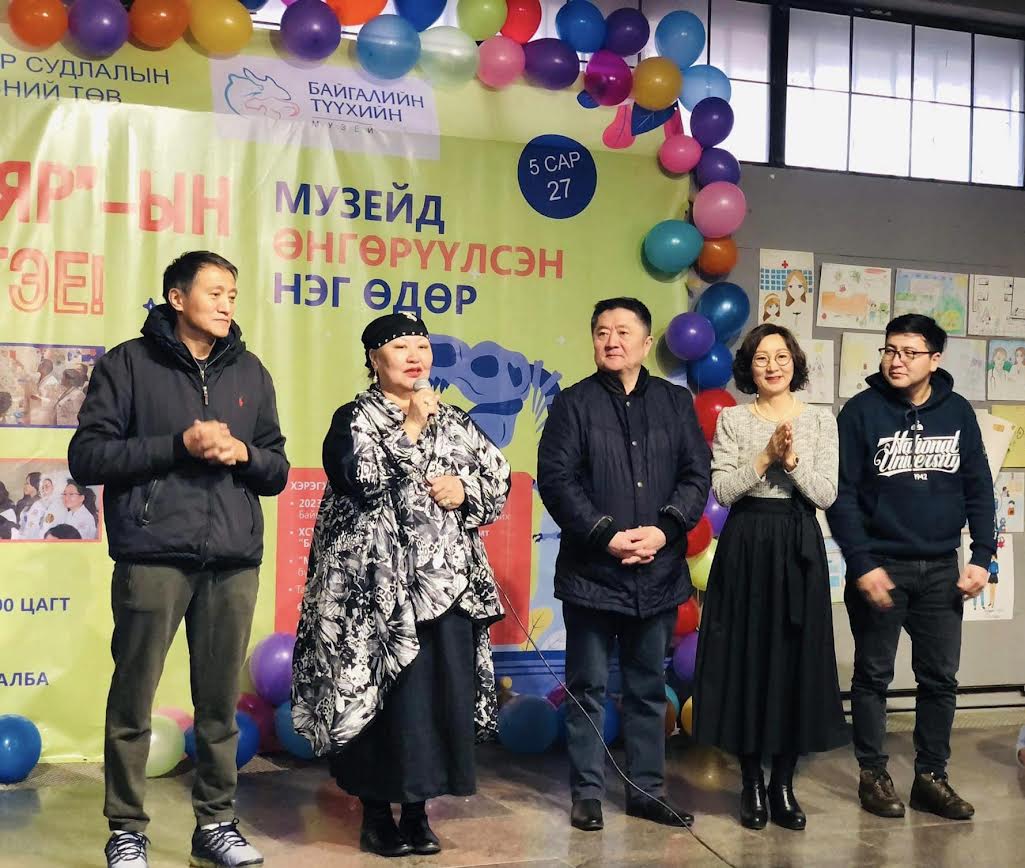
4. “A DAY AT THE MUSEUM” Educational program and program activities Content: The program is implemented with the aim of informing and promoting the professions and activities of employees of the Natural History Museum to the public, helping high school students choose their future professions, and preparing their successors. Partner organizations also participate in a thematic trip to the museum for a fun day with the family, visiting 2-3 educational program stations to gain knowledge and information and spend time together productively as a family. Category: 11th and 12th grade of high school, all ages Format: Non-classroom Materials: Handouts, prepared program materials
5. “FELT DRAWING” Participatory educational program and program activities Content: This program is one of the participatory educational programs of the Natural History Museum to introduce and disseminate the intangible cultural heritage. It expands children's thinking, ensures their 100% participation, and provides an opportunity to learn about the natural and living world through traditional Mongolian crafts, gain knowledge and customs about the animal kingdom, and understand the importance of animal husbandry in life, and spend time together productively with the family. Category: All ages Format: Non-classroom Materials: Art felt, pure sheep wool, felt needles, foam boards
FOR MORE INFORMATION SOURCE: Natural History Museum Head of Education and Marketing Department T. Munkhtuvshin
Email: tulgatuvshin89@gmail.com
Phone: 7000 0172, 86088699